Storyboarding in Progress: From Screenplay Notes to an Animatic
Storyboarding has started for the full film. The current pass moves from screenplay-derived visual notes into thumbnails, rough grayscale boards, and the first timing experiments.
From screenplay to images
Each sequence starts with the screenplay, followed by visual notes and references selected manually by the director. The notes establish space, rhythm, staging, and the practical questions that need to be solved in drawings. The symbols, motifs, transitions, and curated references are shown below.
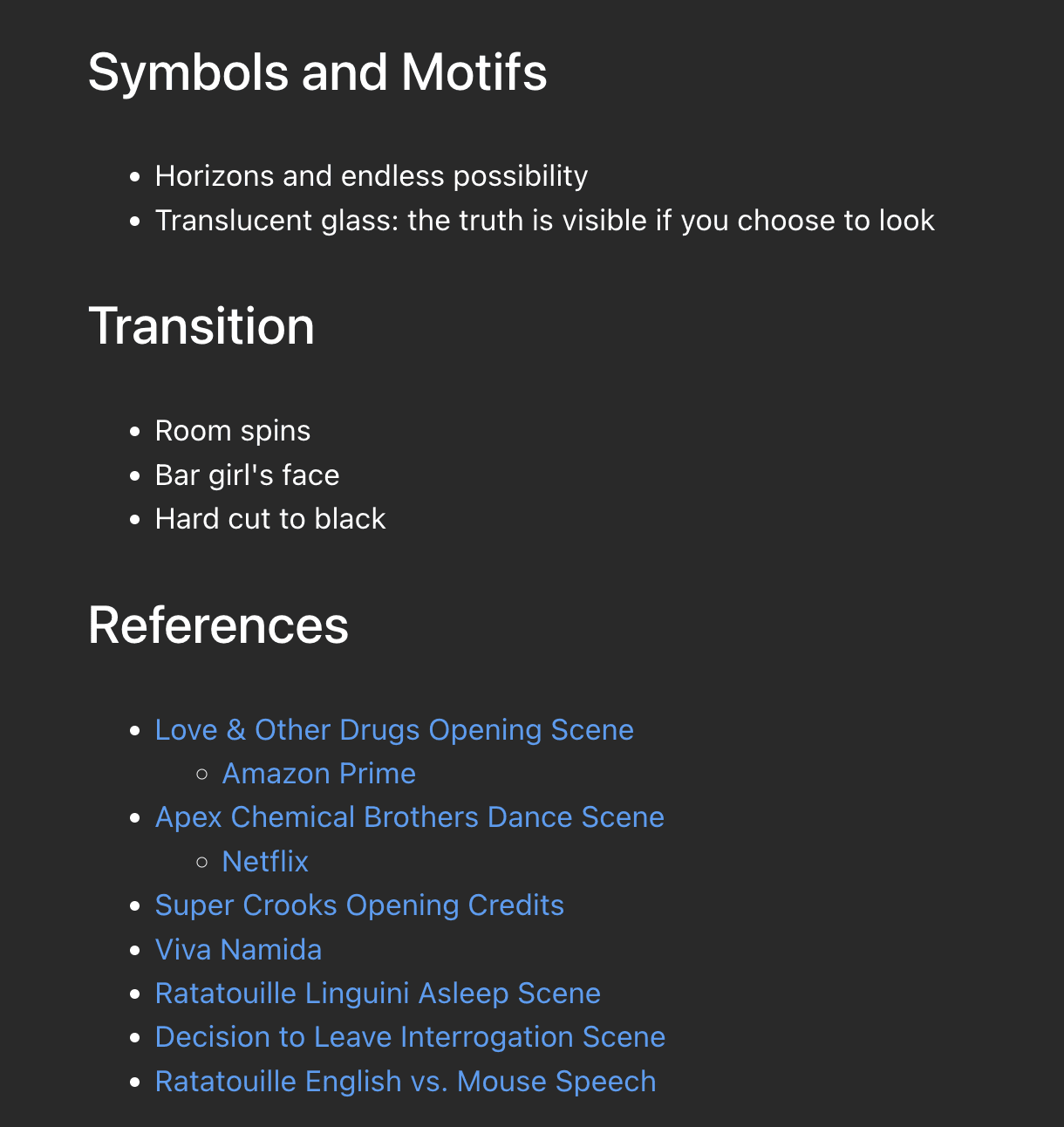
Symbols, motifs, transitions, and references selected manually by the director.
The setting also changed during this pass. Earlier thumbnails assumed an imagined room. After researching an actual venue, we rebuilt the setting around real doors, stairs, booths, screens, and sightlines, then adjusted the shots to work inside that layout.
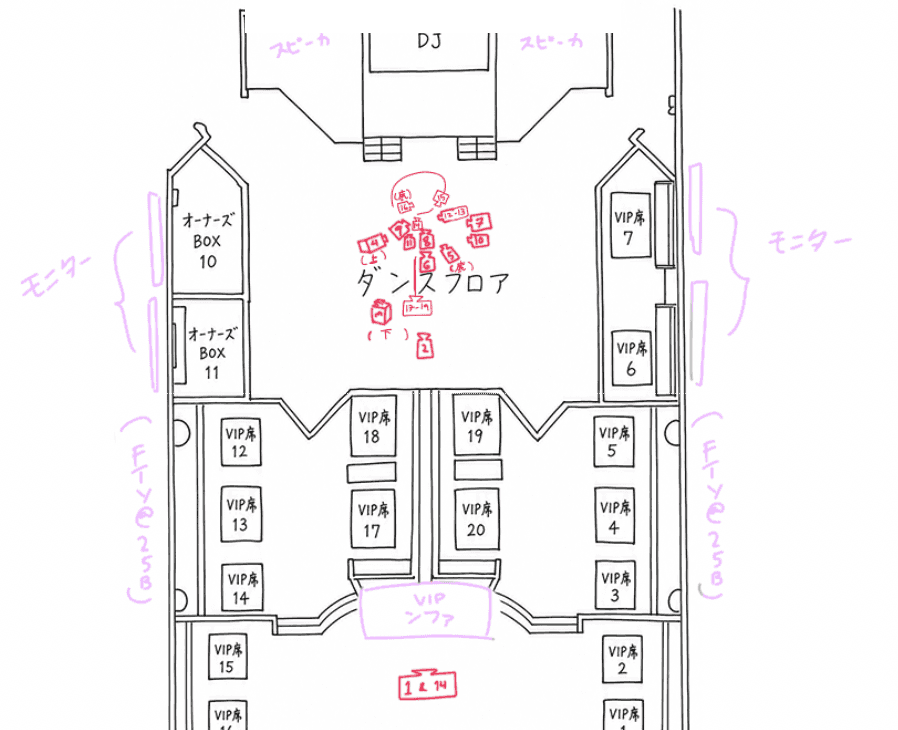
Mapping the revised setting and shot positions after researching an actual location. Identifying details have been removed.
Warm-up and rough storyboards
The drawing pass begins with small thumbnails, then moves through a warm-up drawing and into a rough cut that can be judged for composition and timing. The warm-up below came from an unrelated show and was used to get the hand moving before returning to this film.
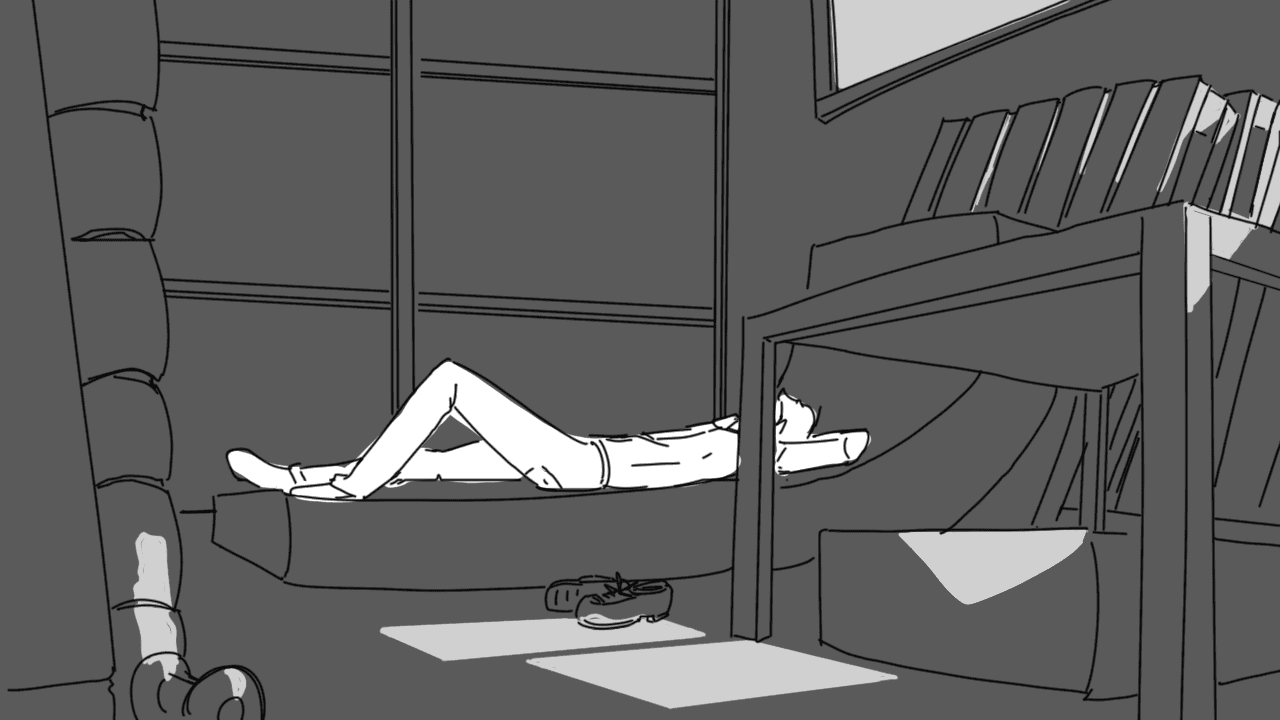
A warm-up drawing from work on another show, included here only as a process example.
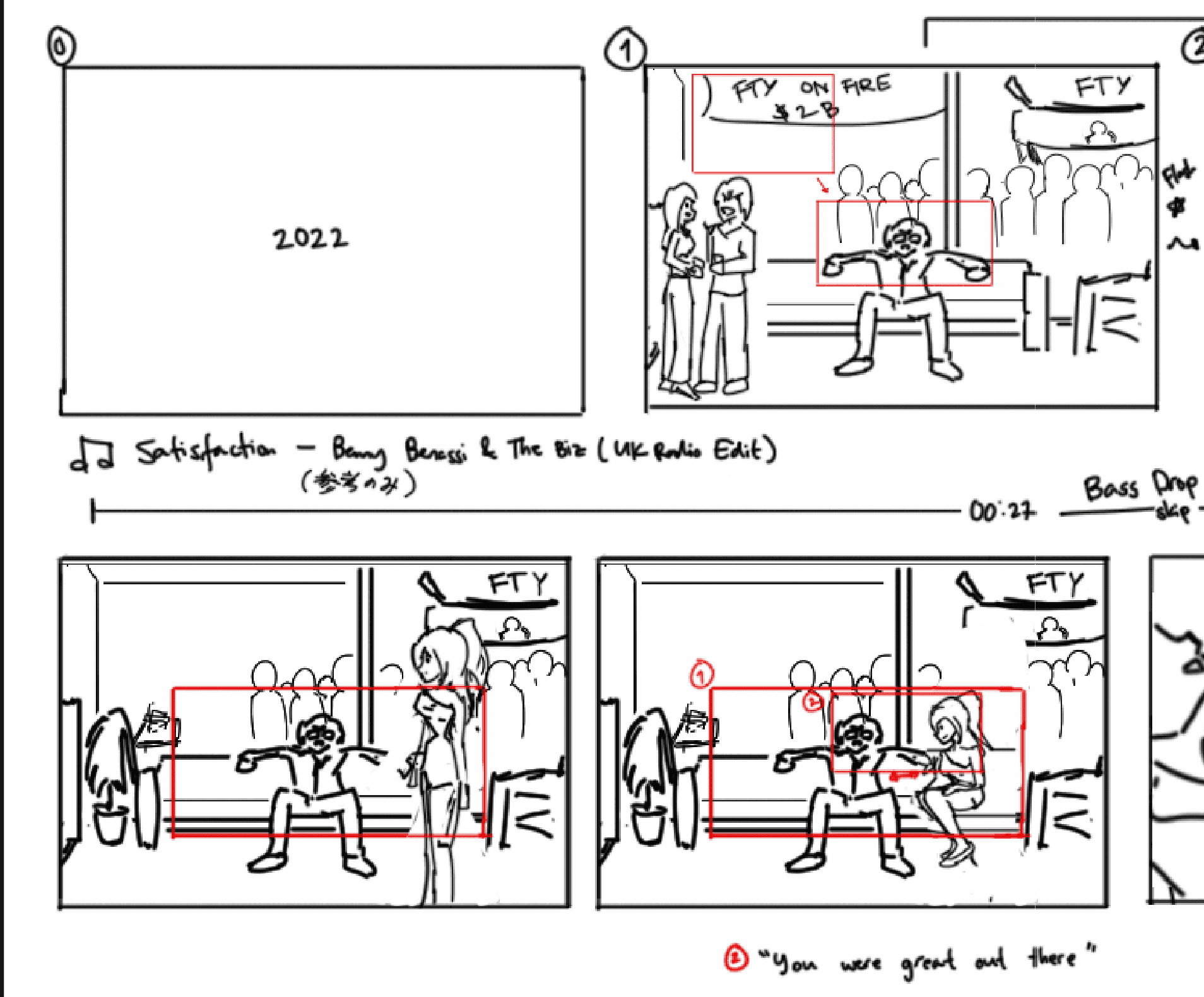
The new rough board follows the researched location rather than the earlier imaginary setup. We also tried a generated visualization at this stage to check the broad impression of the shot. It remains a temporary reference and is not a production frame.
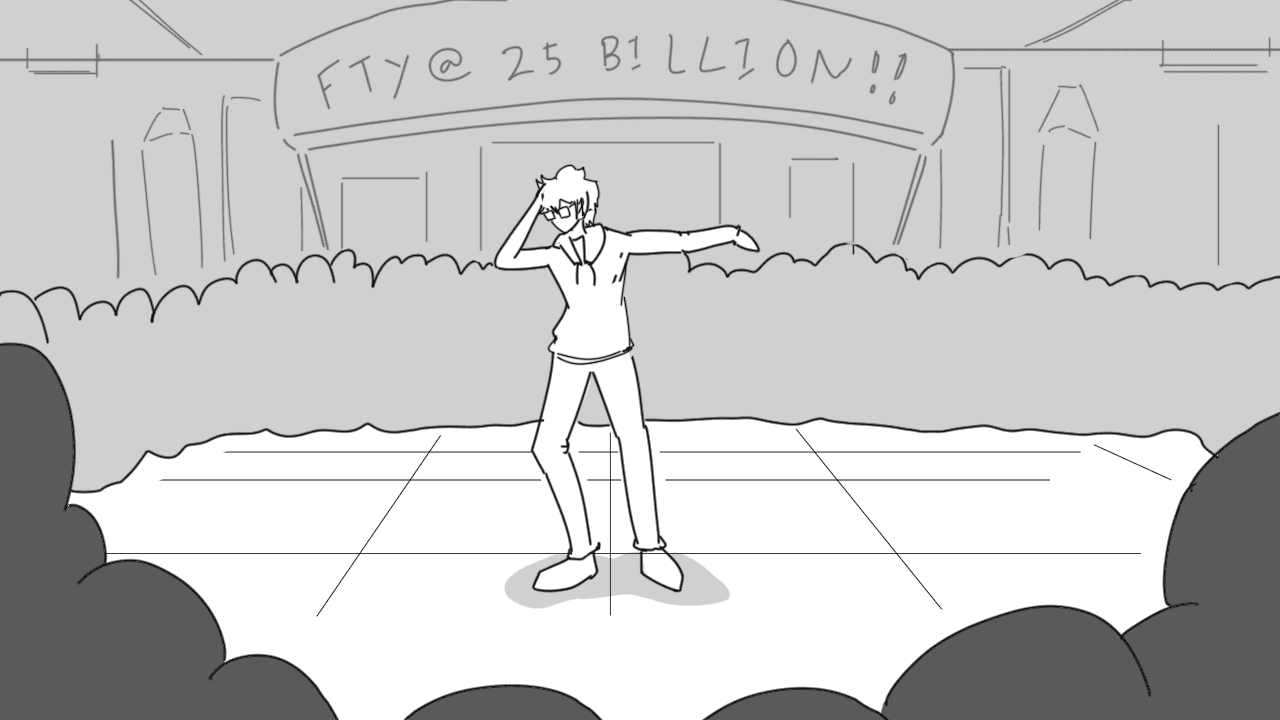
The rough cut after revising the setting and shot around the real layout.
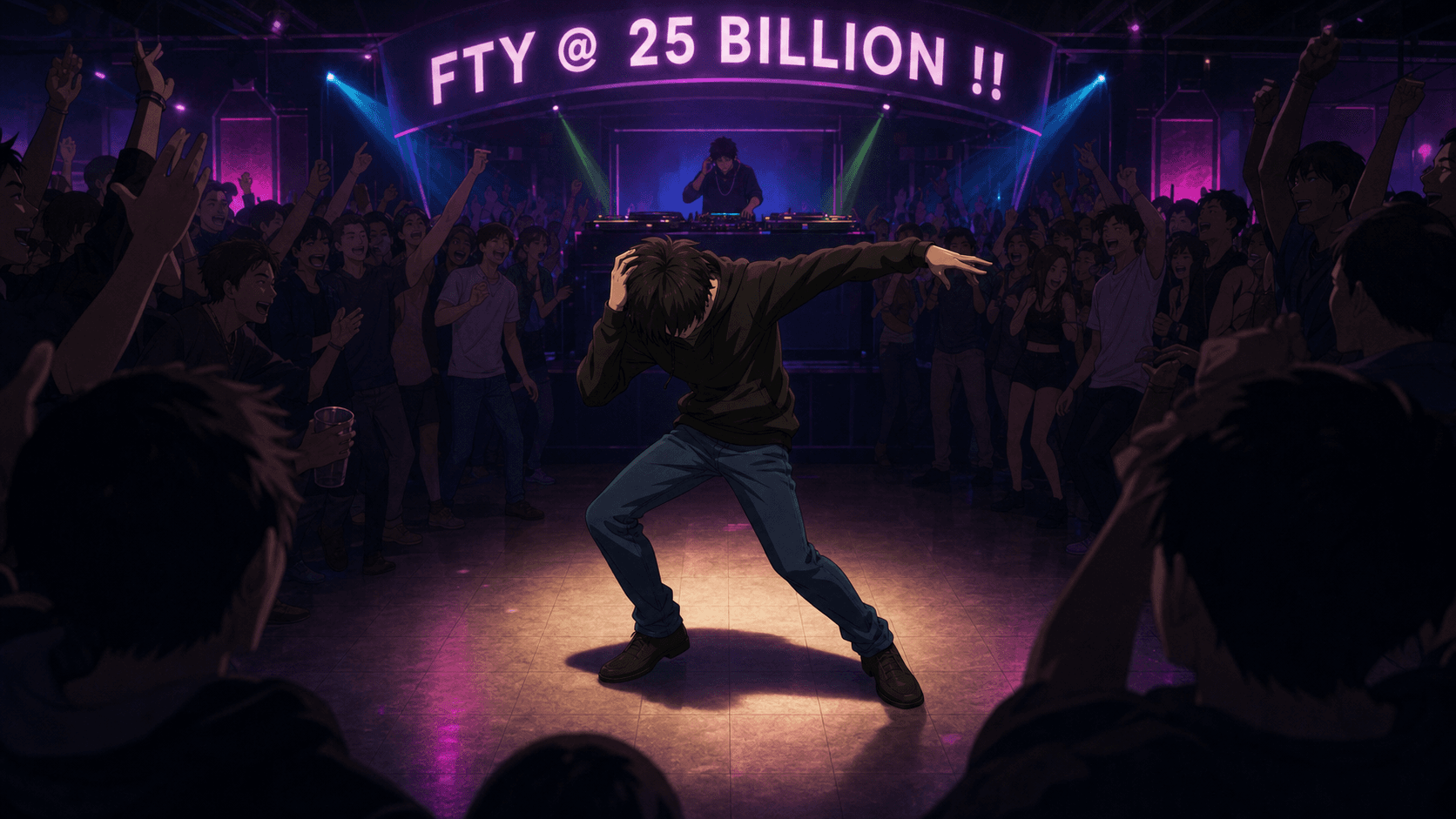
A generation attempt used for visualization only. This is not a final frame.
Testing text-only video prompting
We also tested whether a video model could carry a scene end to end from text alone. The prompt described action second by second and supplied character references. The model could suggest movement and atmosphere. Across the sequence, bodies, clothing, props, character designs, and background geography drifted.
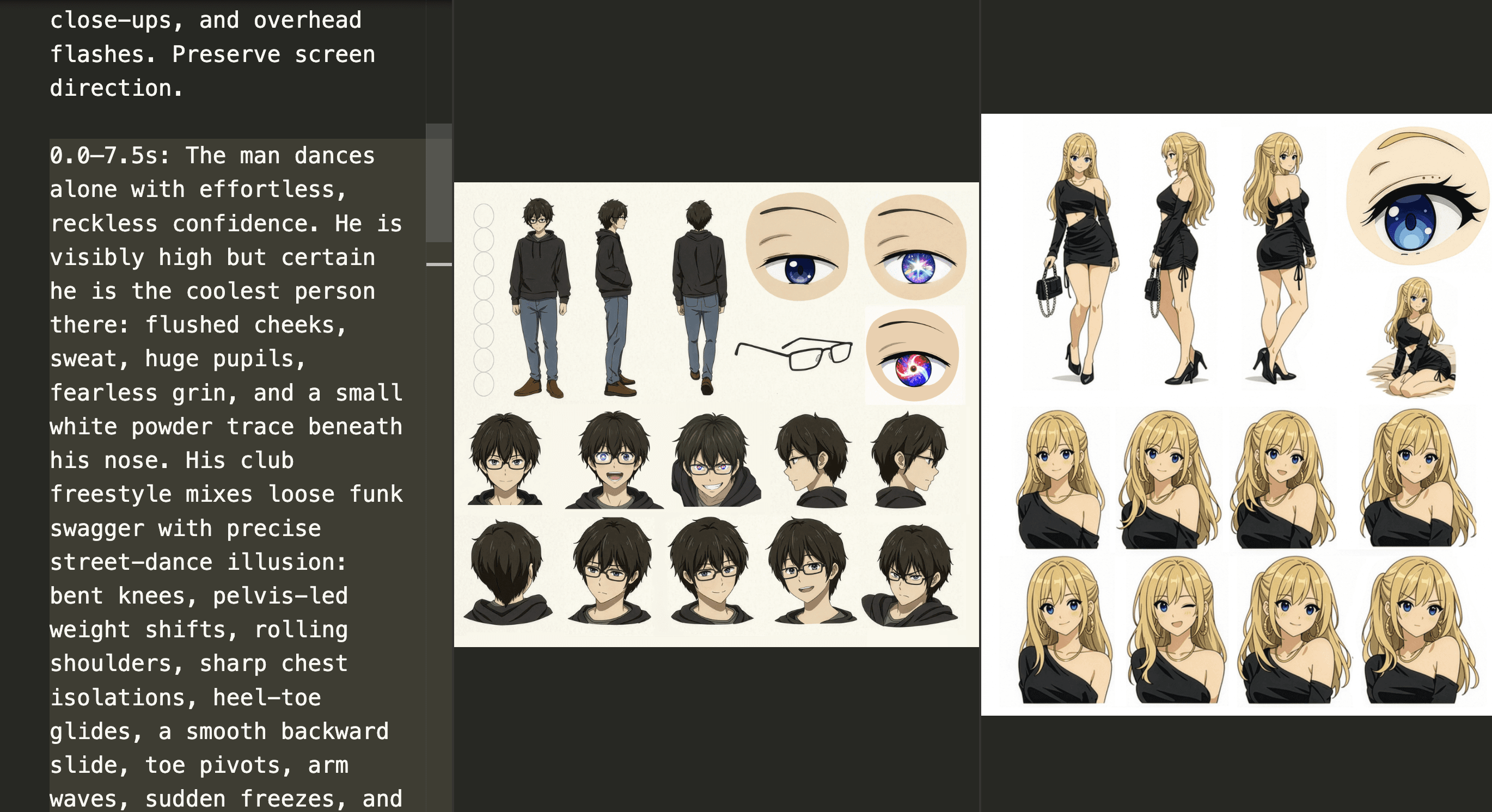
The text-only prompt assigns visual action second by second and supplies character references.
These test clips contain copyrighted music and are included only as production research references. The generated scenes are research visualizations. They are not final film artwork, animation, staging, or editing.
The first end-to-end generation. Motion appears, while character identity, anatomy, clothing, and spatial continuity drift between shots.
A re-edit made from the more usable fragments. Cutting can improve the presentation, but it cannot restore visual information that the generation failed to preserve.
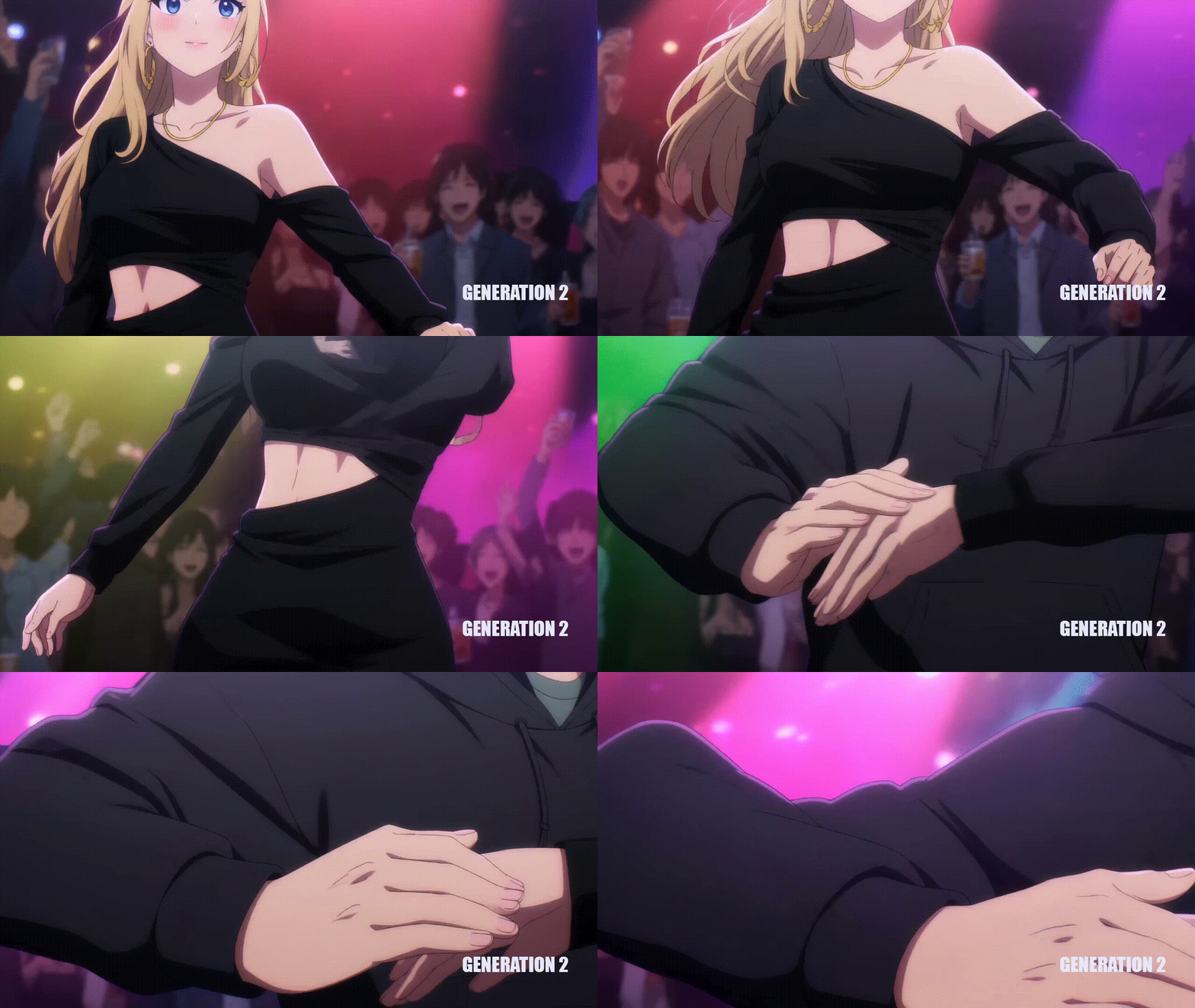
Foreground and background bodies merge as figures cross.
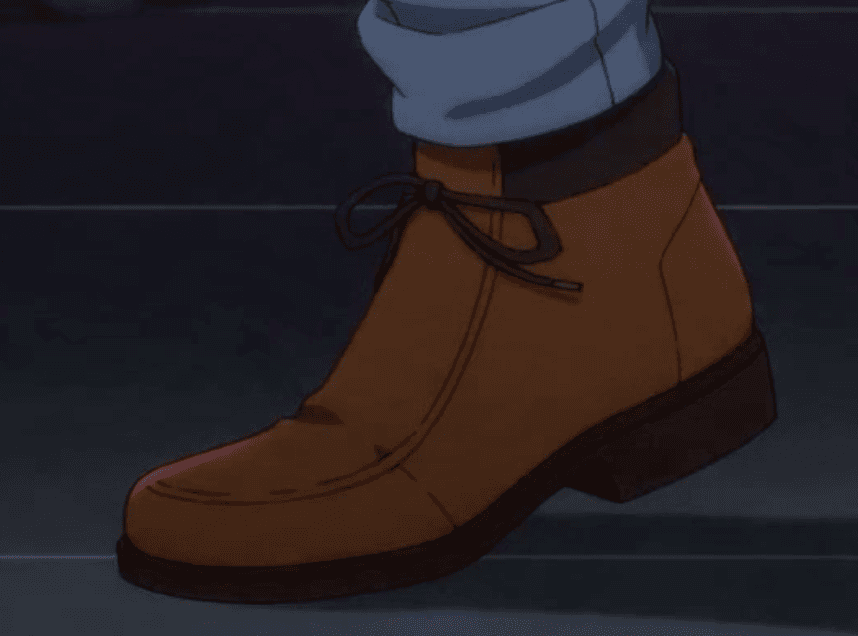
The shoe design suddenly acquires laces, breaking costume continuity.
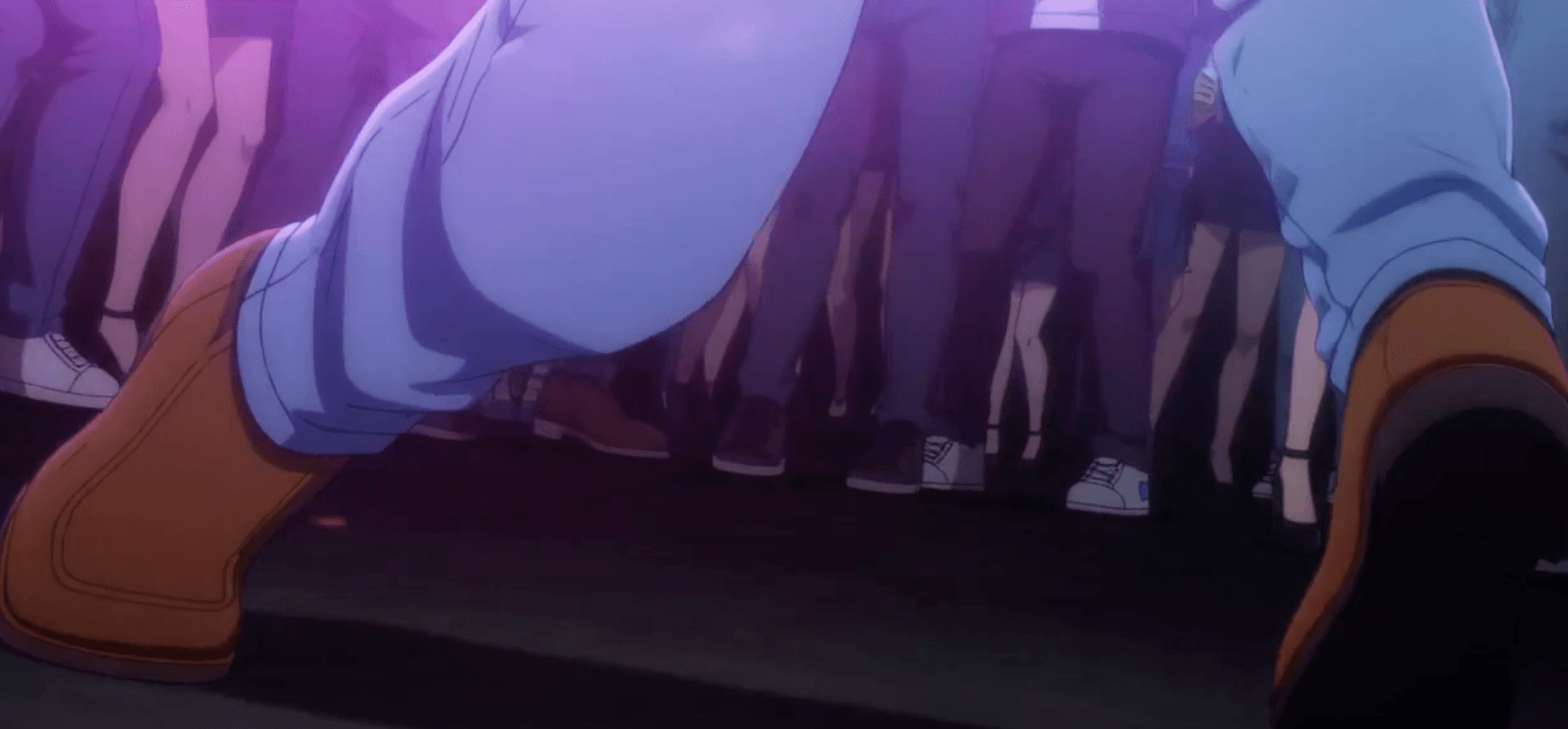
Leg anatomy and contact with the floor break during a dance close-up.
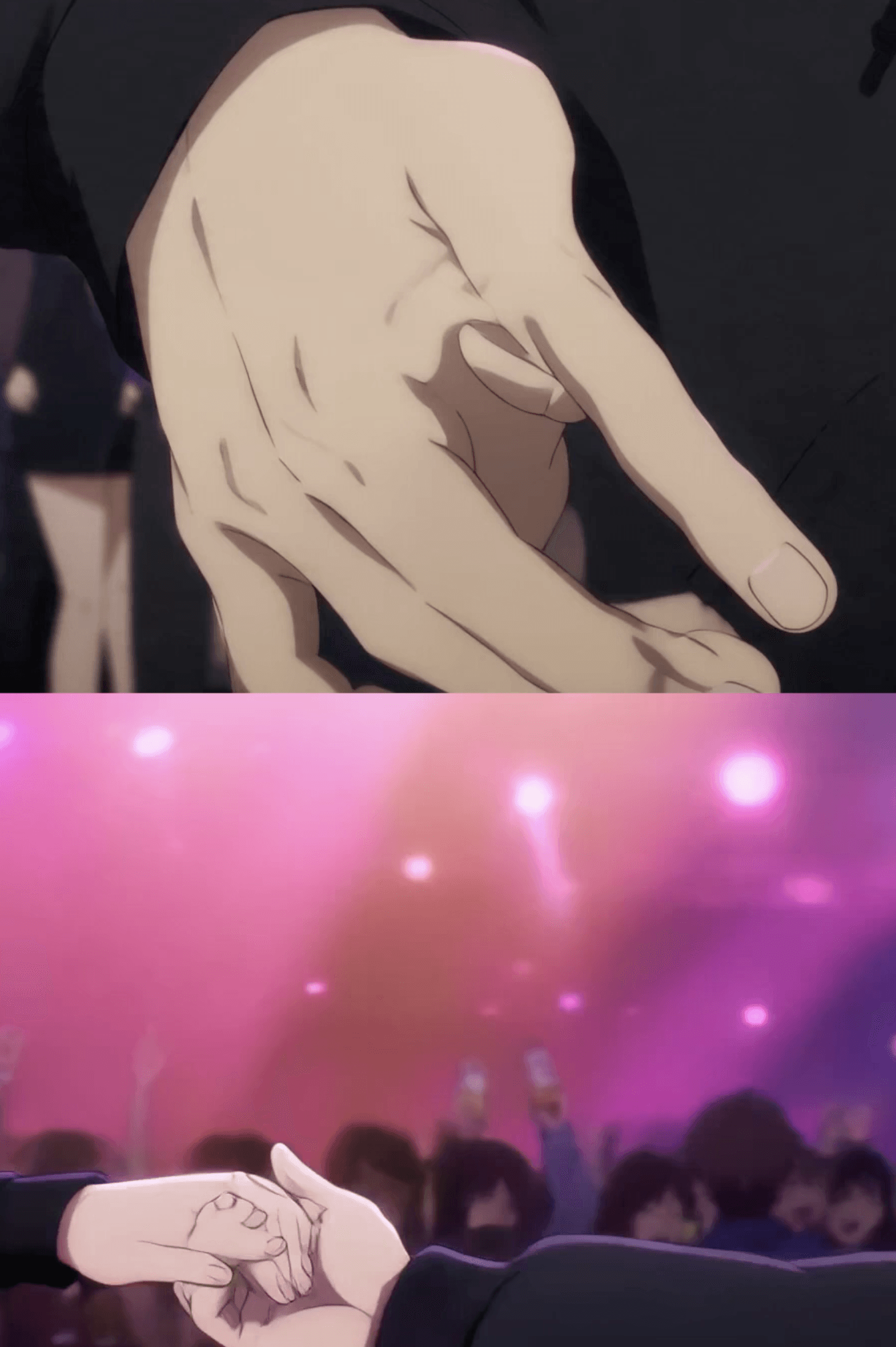
Hand structure and finger placement change between frames.
The experiment clarified the role of AI in the process. AI is a production tool. It cannot replace artists. A coherent sequence depends on artists who can design and maintain the background, character construction, costume, staging, and screen direction. As these tools become faster and more accessible, foundational knowledge matters even more because artists still have to judge, correct, and connect every image into a coherent film.
Next: grayscale boards and CT
The next goal is to finish grayscale storyboards for the whole film, add temporary voices, and build a CT, commonly called an animatic in Western production. Watching the rough film end to end will let us revise timing, pacing, and cuts before Layout, Genga, Douga, and Shiage.
New tools can make individual tasks faster. They still depend on the foundational knowledge required to draw, stage, animate, and maintain a coherent screen world. That knowledge remains the production base.
Join us in the 5 Requests Per Second Discord to follow the production and continue the conversation.